

Health Education
Could You Be at Risk of Diabetes? A Self-Check

Diabetes is often thought of as hereditary. In addition to family history, however, unhealthy lifestyles are a major contributing factor.
Statistics cited for 2017 put the number of people with diabetes in China at 114 million, the highest worldwide. The large population at risk is also concerning: the reported prevalence of prediabetes (IGT) among adults is 50.1%, meaning that, of every 2 adults, 1 could potentially be at risk of diabetes.
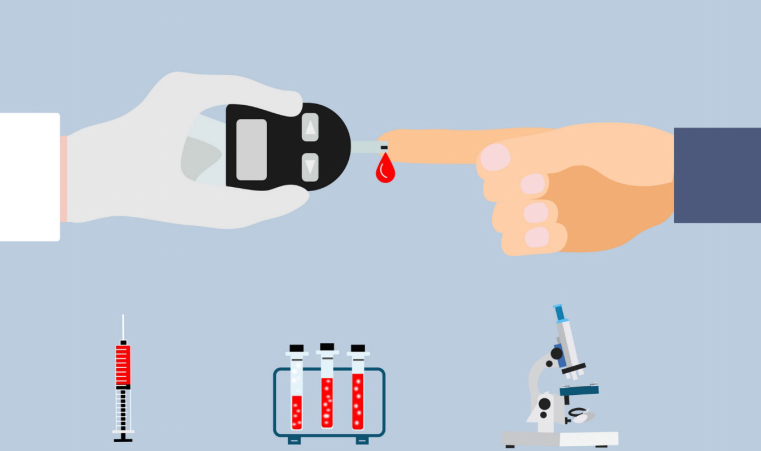
I. A Self-Check for Potential Diabetes Risk
Prevention begins with knowing whether you may be at risk. Compare the following signs with your own experience; if more than 2 apply, pay attention!
1. Drowsiness after meals: feeling sleepy after eating is associated with high blood glucose, especially after white rice, refined flour or sugary foods. In contrast, a person with normal glucose regulation generally feels energized after a meal.
2. Craving high-sugar foods: a strong preference for staple foods made from white rice or refined flour, and irresistible cravings for sweets. Eating sugar may feel difficult to control, particularly in the afternoon and evening.
3. Temporary blurred vision: episodes of blurred vision while looking at a phone or computer, particularly after meals or overeating.
4. Easy weight gain and difficulty losing weight: prediabetes often involves insulin resistance. Excess insulin can increase food intake and rapidly convert sugar into fat. Abdominal obesity is particularly relevant; 80% of type II diabetes is associated with obesity.
5. Difficulty tolerating hunger: delayed meals may cause poor concentration and anxiety, with trembling hands and a rapid heartbeat in more severe cases.
6. Frequent thirst: thirst is a noticeable sign associated with prediabetes, particularly at night, and deserves attention.
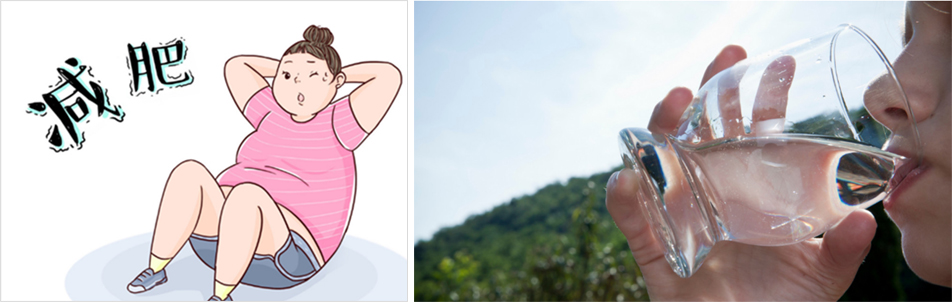
7. Reduced muscle mass: muscles help balance blood glucose. Less muscle weakens this function, which is one reason people with diabetes are advised to exercise more.
8. Frequent fatigue: feeling tired and relying on food for relief, only for fatigue to return quickly. The relief from eating becomes progressively shorter, and even coffee may fail to restore alertness。
9. Significant skin changes: rough skin, acne, slowly fading acne marks, spots, poor wound healing, frequent inflammation, and gradual darkening at the back of the neck or groin are closely associated with abnormal glucose metabolism.
10. Excessive sweating and night sweats: sweating easily, including during sleep, and being prone to spontaneous sweating.

II. The Harm Caused by Diabetes
How many of the 10 signs apply to you? Do not dismiss them, even if the fatigue and drowsiness associated with prediabetes have little impact on everyday life.
Without control, progression to later stages of diabetes can cause various complications. Among people with diabetes in China, one-third have hypertension, one-third have macrovascular disease including cerebrovascular and cardiovascular disease, one-third have eye disease, and two-thirds have neuropathy.
Diabetes has become the third most serious chronic threat to human health worldwide, after cancer and cardiovascular and cerebrovascular disease.
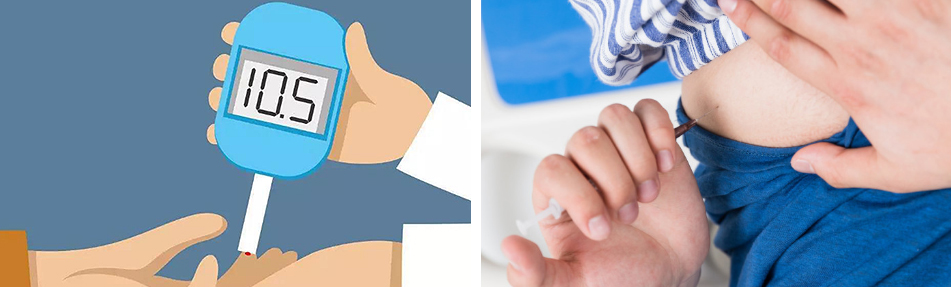
These concerns are not merely intended to alarm. People living with diabetes can describe the difficulty of daily dietary restrictions involving staple foods, fruit and rich meals, as well as the discomfort of repeated insulin injections.
III. Change Unhealthy Habits to Help Prevent Diabetes
Recognized contributors to diabetes include long-term overeating, excess energy intake, abdominal obesity and insufficient exercise, which is why it is sometimes called a disease of affluence.
1. Improve Your Diet
To help prevent diabetes, improve the overall dietary pattern: reduce total food intake somewhat, include more whole grains and vegetables, and follow the Chinese Food Guide Pagoda as closely as possible. Intake of sugar-free vitamin-containing liquids and high-quality protein may be increased appropriately.
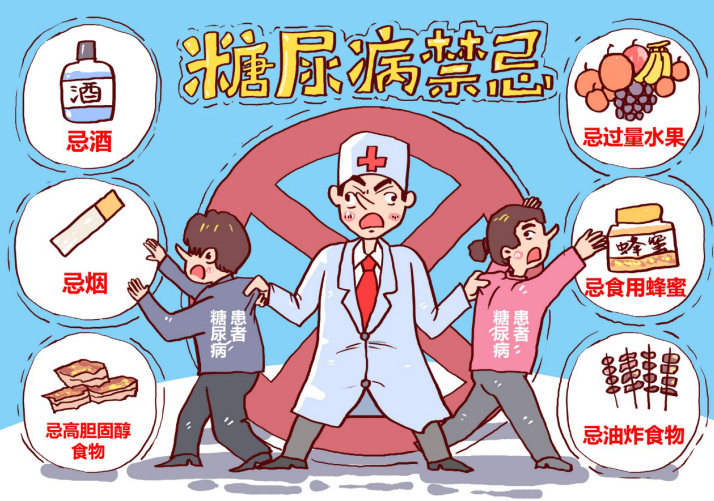
People whose blood glucose is already somewhat elevated should avoid greasy foods, heavy salt, smoking, alcohol and desserts.
2. Exercise Appropriately
Become more active through suitable aerobic exercise such as walking, jogging, swimming or tennis. Working up a light sweat, reducing body fat and increasing muscle can help balance blood glucose.
People with several potential risk signs or early diabetes should also avoid staying up late, prolonged sitting and overwork. Exercise can be scheduled 1 to 2 hours after meals, when blood glucose is described as being highest during the day.
The professional content of this article was provided by a qualified nutritionist and compiled by the editorial team.


