

Health Education
The Wisdom of Grains as the Foundation of Nourishment

The classical saying that grains are the foundation of nourishment comes from the Huangdi Neijing and reflects Chinese wisdom. This diverse food culture, in harmony with nature, has nourished generations of Chinese people and Chinese civilization.
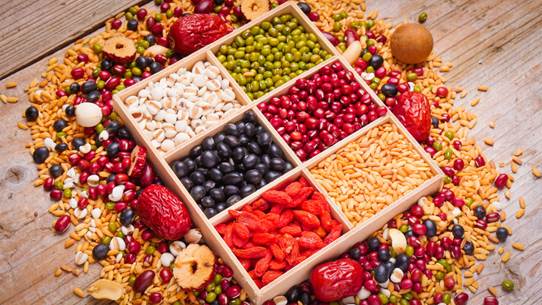
The term five grains originally referred to five types of grain and later came to refer broadly to cereals. Throughout Chinese history, grains have remained the staple foods that nourish the body: the principal foods in the diet.Grains are living seeds, rich in carbohydrates, protein, fatty acids, vitamins, minerals and antioxidants, with a nutritional balance well suited to the body's needs.
Grain Foods: Helping Prevent Micronutrient Malnutrition
The traditional Chinese diet relies on complex carbohydrates as its main source of energy. Today, however, people eat more refined rice and flour, consuming too many refined carbohydrates and comparatively too few whole grains.
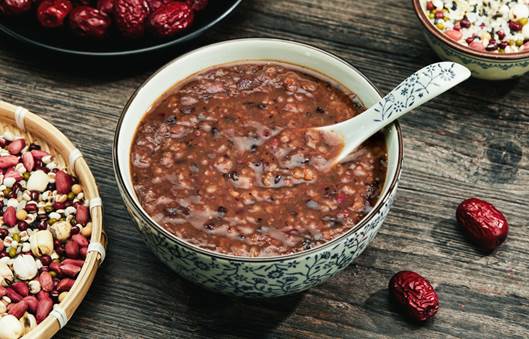
This can not only make blood glucose more likely to rise, but also lead to micronutrient malnutrition, often called hidden hunger. A person may appear healthy yet have poor metabolism, persistent fatigue and frequent minor ailments, a state often described as suboptimal health. This is frequently closely associated with micronutrient malnutrition.
Rich in Vitamin B,Supporting Energy Metabolism
Energy metabolism requires adequate B vitamins. These B vitamins act as coenzymes to help the tricarboxylic acid cycle in cellular mitochondria produce energy. However, the refined rice and flour we eat contain very little B vitamins, so metabolizing the energy-containing foods we consume draws on the body's limited reserves of B vitamins.
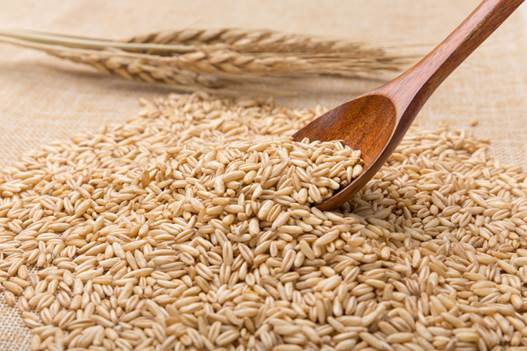
When whole grains are absent from the diet for a long time and the body's B-vitamin reserves become severely depleted, energy metabolism can be disrupted. This may lead to various metabolic disorders, including obesity, fatty liver, high blood lipids, high blood glucose and high uric acid, collectively referred to as metabolic syndrome.
Rich in Dietary Fiber,Promoting Physical and Mental Well-Being
Dietary fiber from whole grains can promote gut health. Regular bowel movements, a healthy gut and a positive mood make toxins less likely to accumulate and also contribute to physical and mental well-being.
Grain-derived dietary fiber and plant sterols can bind to bile acids and promote their excretion through the intestines, helping to lower cholesterol. The glucans and cellulose they contain can make the glycemic index more stable. Stable blood glucose can improve mood, ease the workload of internal organs and reduce glycation, helping people look youthful and healthy from the inside out.
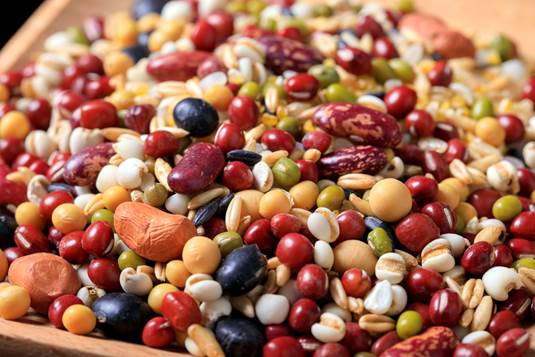
Whole grains offer many benefits that we should make good use of. These living seeds are among nature's finest gifts, providing nourishment, safeguarding health, helping reduce the burden of illness and discomfort, and improving our sense of well-being.
The professional content of this article was provided by a qualified nutritionist and compiled by the editorial team.


