

Health Education
Dry, Brittle Hair, Low Immunity and Delayed Growth: Could Insufficient Protein Be the Cause?

Modern life emphasizes efficiency, even when eating: rushed breakfasts, takeaway lunches, delayed dinners, rapid eating, inadequate chewing and poor nutrient absorption can all contribute to an unbalanced diet and protein malnutrition.

Surveys indicate that half of people in China have unbalanced diets, with protein intake that is inadequate in both quality and quantity.
This is especially concerning from middle age onward, when impaired chewing, reduced taste and appetite, and a limited diet can lead to seriously insufficient protein intake.
I. Why Everyone Needs Protein
Protein is a material foundation of all life. It plays important roles in growth and development, physiological regulation, tissue repair and energy supply.
Protein accounts for approximately 15%-20% of total body weight.

Functions of Protein:
1. Forming Essential Components of the Body
Growth and development involve the continual accumulation of protein. A steady, adequate supply is needed to maintain normal tissue renewal.
2. Regulating Physiology and Repairing Tissues
Protein is an important component of biologically active substances such as lipoproteins and glycoproteins...
Without proteins acting as transport carriers, substances such as cholesterol and glucose could not be distributed throughout the body to maintain normal physiological functions. Most of the body's enzymes and hormones also depend on protein.

3. Supplying Energy
Protein is one of the three energy-yielding nutrients and one of the body's three main energy sources.
II. What Happens When Protein Nutrition Is Inadequate?
The Chinese Dietary Reference Intakes recommend that, among adults aged 18-49, men need 65g of protein daily and women need 55g.
A new study reported by the British women's health website Healthista found that more than 90% of people do not know how much protein they need.

People who regularly eat takeaway meals or are too busy to cook may struggle to meet their daily protein needs. Over time, this can readily lead to protein malnutrition.
Signs of Insufficient Protein Intake:
1. Mildly Insufficient Protein Intake
Protein deficiency can cause fatigue and drowsiness, dry and brittle hair, splitting or brittle nails, poor appetite, anemia, loose skin, low muscle mass and strength, slow wound healing, and prolapse of tissues or organs such as the stomach or uterus.

2. Severely Insufficient Protein Intake
Prolonged protein deficiency can cause both malnutrition and reduced immunity. In children and adolescents, it can even affect growth and development. The 'big-headed babies' incident was a consequence of severe protein deficiency.

III. How to Obtain High-Quality Protein
There are four main categories of high-quality protein sources:Fish, eggs and dairy products, meat, and beans。
Fish: tuna, salmon, cod and bass
Meat: chicken, beef, duck and pork
Eggs and Dairy Products: chicken eggs, duck eggs, milk and other dairy products, and yogurt
Beans: black beans, soybeans, brown beans, two-colored beans and products made from them
These food groups are rich in high-quality protein, but relying on only one can still produce an unbalanced diet.
Include a combination of all 4 groups each day to obtain adequate nutrition.

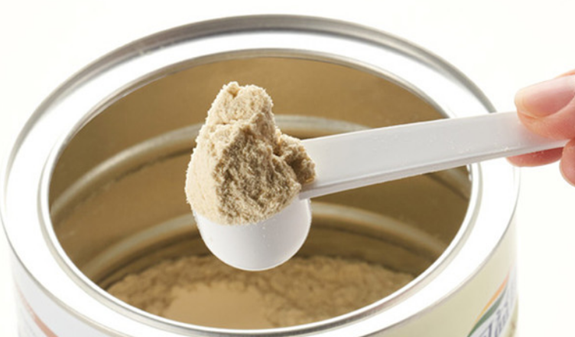
If it is difficult to obtain these high-quality proteins or maintain a balanced diet, convenient high-protein snacks can also supplement intake.
Examples include protein powders and protein bars, which are convenient and time-saving, contain scientifically formulated high-quality protein, and are described as easier to absorb than obtaining protein through regular foods.
- END-
| The professional content of this article was provided by a nutritionist and compiled by the editorial team.


